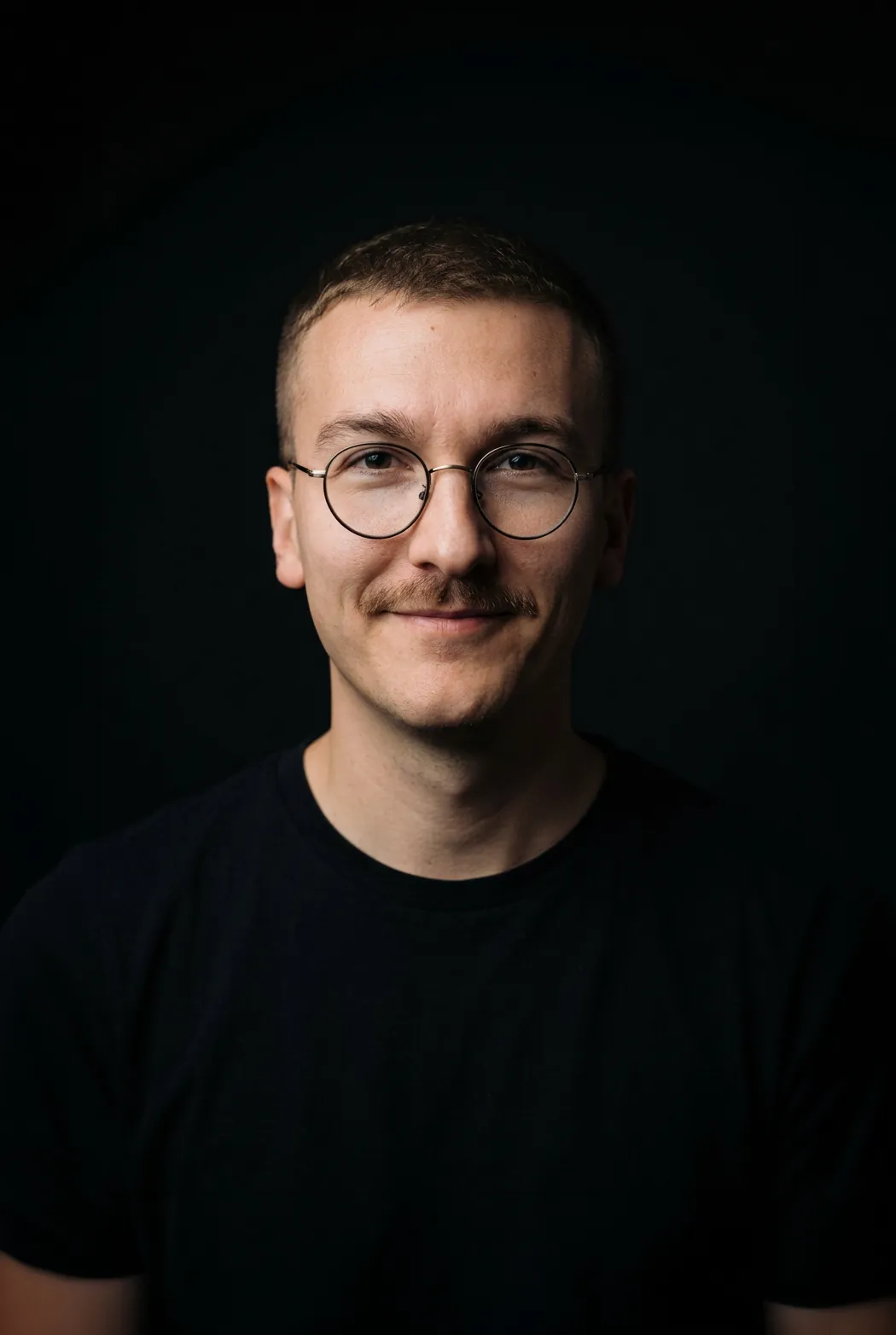
Thomas
Product designer & builder, based in Nantes.
Thomas
Product designer & builder, based in Nantes.
For more than 10 years, I’ve been designing digital products in collaboration with cross-functional teams. This path has led me to develop a comprehensive approach at the intersection of design, content, and product strategy.
My path has mostly led me to support early-stage projects: turning an idea into a concrete product, scoping an MVP, laying the first building blocks of the user experience. This practice taught me to focus on what matters, decide quickly, and ship useful products from the very first iterations — a discipline I still bring today, whatever the maturity of the product I’m working on.
Over time, I’ve strengthened one belief: the role of design isn’t to make things beautiful, but to generate impact — business impact (conversion, retention, activation) as much as human impact (understanding, trust, engagement). That belief matters more than ever today. AI has made producing interfaces accessible to anyone: generating a polished screen now takes a few seconds. What it hasn’t changed, though, is what actually makes a product work: understanding context, prioritizing the right levers, aligning experience with business goals. That’s precisely the groundwork I keep bringing to the table.
Today, I take a product-oriented approach, working closely with teams to align user needs with business goals —whether in a launch phase or more mature contexts—finding the right levers and focusing effort where it truly creates value.
Sharing my experience matters to me. It takes the form of talks at schools such as L’École de Design or e-artsup, but also a more personal commitment. For a year, I volunteered to help young people refine their methods and tools so they could find a first apprenticeship or job. Today I keep cultivating that culture of sharing through talks, conversations with people changing careers, and regular mentoring of interns at Lonestone.
I pay particular attention to regularly testing new tools and new media in order to practise (craft) and learn, gain autonomy and understand the constraints of other crafts. Bringing my side projects to life, with Cursor, Framer, Webflow, Glide, Protopie, Flinto, Spline, Jitter, Blender, etc.
Understanding users needs to better meet their expectations.
A well-defined problem is 50% of the job.
Define the product, user journeys and interactions to optimize engagement.
It's not always easy to make things simple!
Design interfaces that are easy to use and memorable.
Finding the balance between beauty and usability.
Master engagement techniques to improve experience and user retention.
Measuring impact is the key to moving in the right direction.
Write concise and effective content to improve the user experience.
Let's talk less, but talk better!
Use no-code solutions to quickly bring projects to life (e.g. Framer, Webflow, Glide).
Launch, fail, learn. Repeat.
Master AI solutions to expand what’s possible, and do more in less time.
Do more, but also do it better!
Alongside my work as a designer, I cultivate passions that deeply shape how I work.
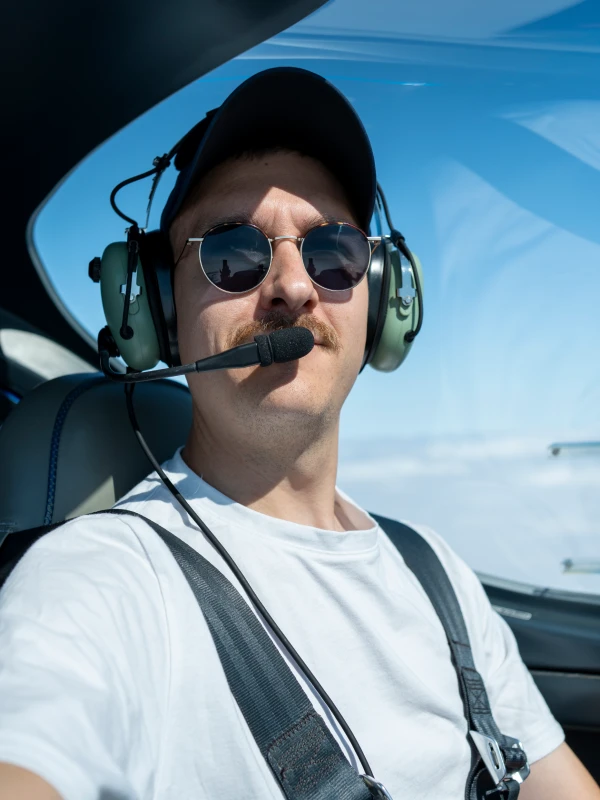
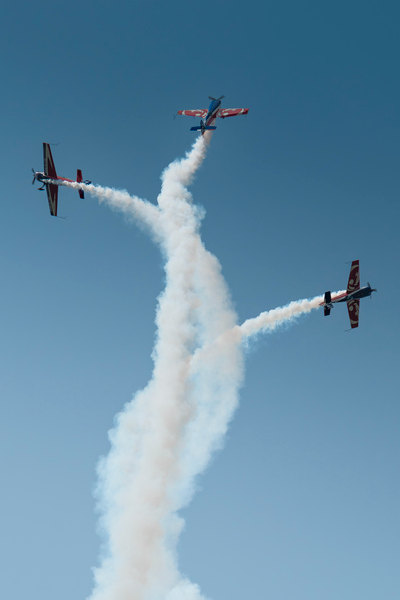
I sailed competitively for about ten years, and today I fly ultralight aircraft. Two environments where you quickly learn that things rarely go exactly as planned: you read weak signals, adapt continuously, and make clear-headed decisions even in uncertainty.
I also love to experiment—especially through 3D printing—as a playground to test, prototype, and turn ideas into reality quickly.
These experiences feed my design practice: working as a crew, playing to each person's strengths, adjusting course without losing direction, and staying focused on what matters.
Have a product design project, a collaboration in mind, or a question? Drop me a line — I’d love to hear from you.